We Move Air And Us!

Glass Manufacturing Simplified – The Role of Industrial Fans in High-Temperature Processes
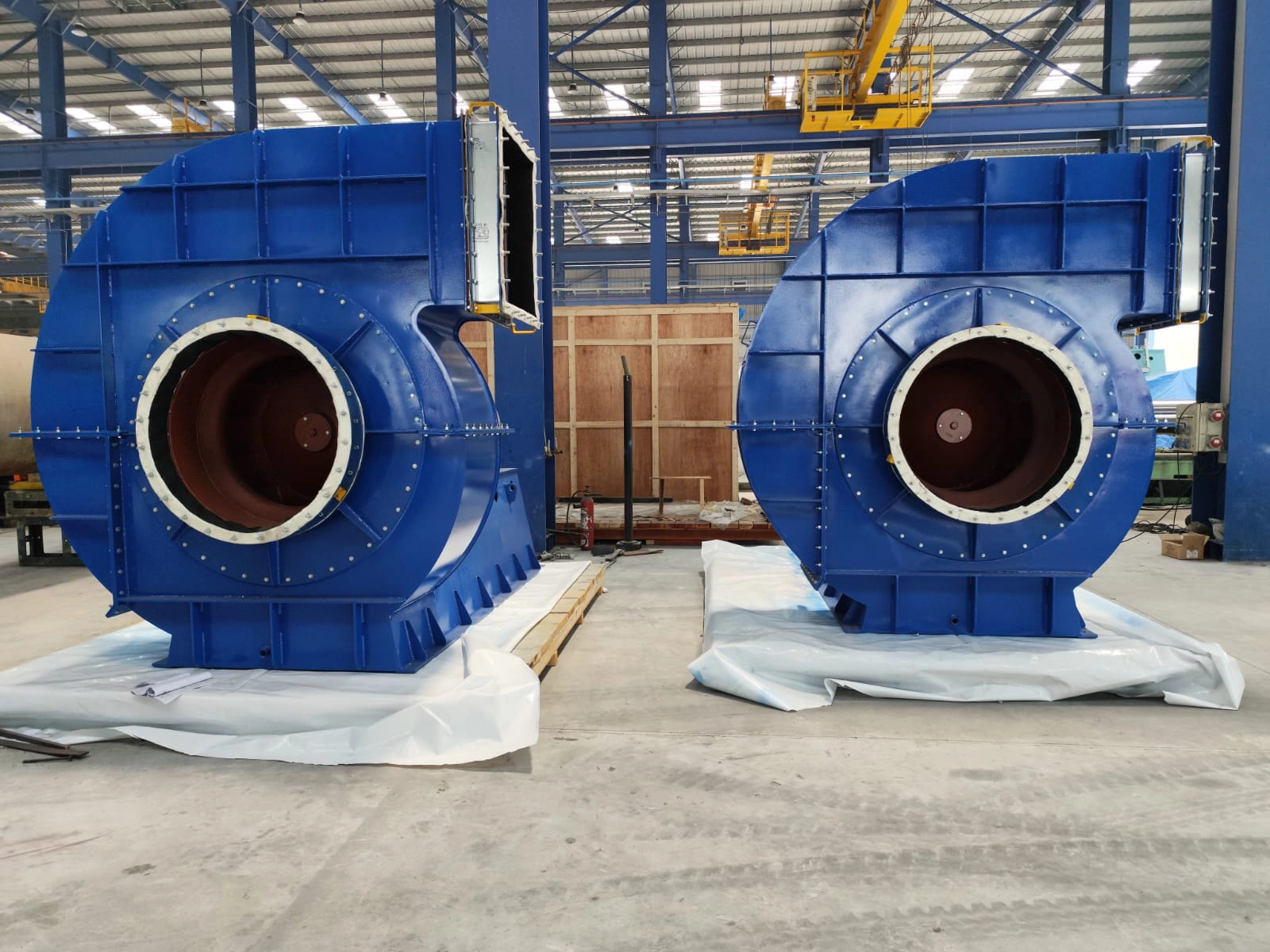


Glassmaking involves an intensive process that requires precision, efficiency, and reliable machinery to accommodate the demands of modern industry. Industrial fans are essential for maintaining effective operations throughout the different phases of glass production. For high-temperature operations including molding, melting, chilling, and tempering, these fans supply the necessary airflow and temperature control.
This blog post will review how industrial fans work in the glassmaking process, along with some of their main advantages and practical uses in this quickly changing sector.
The Role of Industrial Fans in Glass Manufacturing Process
The intensive glassmaking process begins with heating of raw materials in a furnace and ends with the final product being cooled and shaped through multiple high-temperature processes.
- Melting Furnace Operations: The accurate airflow needed to maintain the melting furnaces at a constant temperature and ensure that the raw materials mix uniformly is supplied by high-temperature fans.
- Molten Glass Handling: When transferring and shaping molten glass, specialized fans control air circulation and heat, avoiding flaws and preserving product quality.
- Cooling and Tempering: Cooling fans help slowly reduce the glass’s temperature, preventing cracks and guaranteeing durability.
- Dust and Emission Control: These fans are designed to preserve air quality in production environments because they remove dust and prevent buildup of harmful gases and other impurities.
Important Benefits of Industrial Fans in the Production of Glass
1.Enhanced Energy Efficiency
Energy-efficient technology is integrated into the design of contemporary industrial fans to save manufacturing costs. Improved airflow helps furnaces and other equipment use less energy, which is in line with sustainability objectives.
2. Improved Process Reliability
The durability and precision of industrial fans ensure consistent performance in challenging environments, reducing downtime and production delays.
3. Temperature Control and Safety
Effective temperature regulation is vital in high-temperature processes. Fans designed for extreme heat prevent overheating, safeguard equipment, and create a safer working environment.
4. Customization for Specific Needs
Industrial fans can be customized to meet the unique requirements of glass manufacturing, from high-capacity blowers for furnaces to compact units for localized cooling.
Real-World Applications of Industrial Fans in the Glass Industry
Furnace Exhaust Fans
Furnace exhaust fans handle high volumes of hot air and emissions, ensuring proper ventilation and maintaining a safe workspace.
Annealing Fans
These fans are essential to the annealing process, which uses regulated cooling to reduce internal tensions and improve the strength and durability of the glass.
Air Knife Systems
In glass coating applications, air knife systems powered by industrial fans deliver a precise jet of air to remove excess materials, ensuring an even finish.
Batch Cooling Fans
For applications requiring rapid cooling, batch cooling fans provide high airflow rates to expedite the process without compromising product integrity.
Meeting Industry Challenges with Advanced Fan Technology
Glass manufacturing often takes place in demanding environments characterized by extreme heat, abrasive particles, and high production volumes. Industrial fans designed for such conditions offer the following advantages:
Abrasion-Resistant Materials: Ensuring durability in settings where exposure to dust and particles is significant.
IoT Integration: IoT-enabled smart fans improve operational efficiency by offering predictive maintenance and real-time monitoring.
High-Temperature Tolerance: Fans that are designed to endure temperatures more than 1,000°F operate reliably in extreme conditions.
Why Choose Reitz Singapore for Glass Manufacturing?
Reitz South East Asia are global leaders in industrial fan solutions, offering a wide range of products tailored to the glass industry. Our fans are designed to meet the exacting requirements of high-temperature processes by being accurate, durable, and effective. We create and implement solutions in partnership with our clients to satisfy sustainability goals and boost productivity.
In order to boost output, enhance energy efficiency, and guarantee product quality, the glass sector relies on complex industrial fan systems. Reitz can assist you if you’re searching for tailored solutions that address the particular difficulties of your business.
Learn more about our cutting-edge fan technologies and how they can transform your glass manufacturing processes. Contact Reitz South East Asia today to explore our product offerings and experience the difference of working with industry experts.
To sum up, installing quieter industrial fans is crucial for enhancing productivity and workplace comfort. Companies can dramatically lower noise levels and create a more comfortable and secure work environment for employees by emphasizing on design innovations, soundproofing techniques, and routine maintenance. Adhering to noise regulations further ensures compliance and reduces health risks. Eventually, investing in quieter fan technology promotes a more effective and harmonious workplace in addition to enhancing worker satisfaction.
Tags :
Industrial Fans